
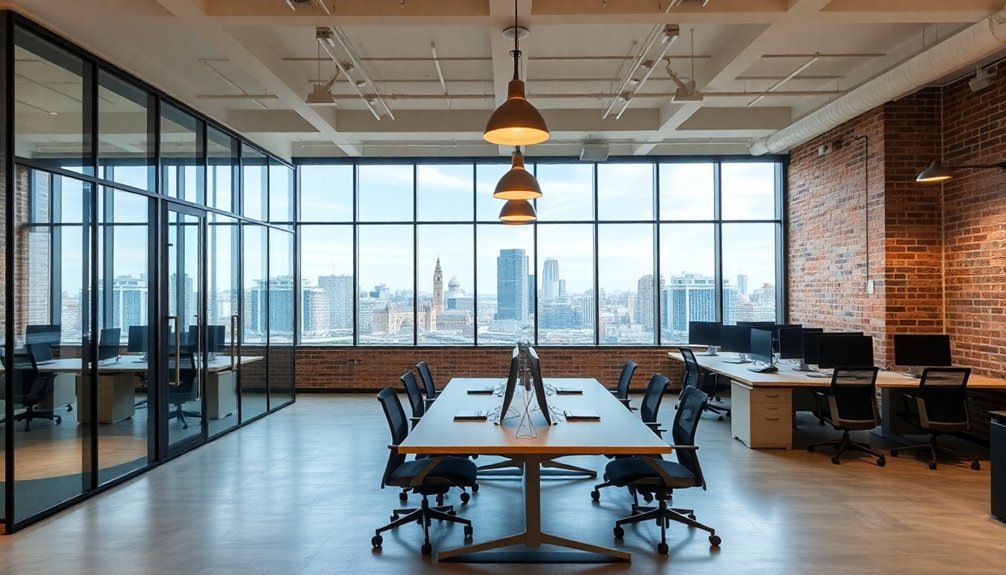
Office refurbishment in Temple, EC4Y requires specialised knowledge to blend modern workplace design with the area's historic character.
Successful projects involve careful contractor selection, thorough planning, and consideration of the unique structural constraints of this prestigious legal district.
Companies should focus on creating flexible workspaces while respecting Temple's heritage, incorporating smart technology, and ensuring minimal disturbance to daily operations.
Understanding the complete process helps businesses evolve their spaces while preserving Temple's distinct charm.
Choosing The Right Office Refurbishment Company In Temple
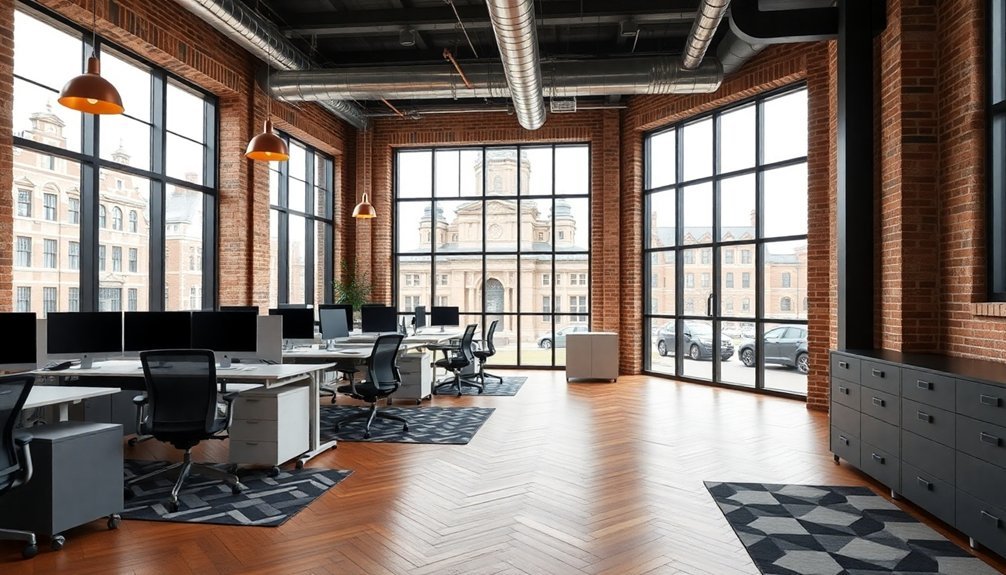
When initiating an office refurbishment project in Temple, selecting the right company can make the difference between a smooth renovation and a costly headache. The key lies in thorough research and careful evaluation of potential contractors, ensuring they meet the highest refurbishment standards.
Start by searching online and gathering recommendations from other local businesses. Create a shortlist of three to five companies with proven track records in office renovations. Review their portfolios, certifications, and client testimonials to gauge their proficiency. Consider their design capabilities and how well they understand your specific needs. Look for companies that demonstrate strong project management skills and effective communication. Their approach to sustainability and ability to minimise workplace interruptions during renovation should also factor into the decision-making process. Additionally, consider how the company can help create hubs of innovation that align with the evolving demands of a fast-paced urban workforce.
Planning Your Office Refurbishment In Temple
Successful office refurbishment projects in Temple begin with thorough planning and clear objectives. Key design considerations include creating functional zones that support both collaborative and focused work, while guaranteeing the space aligns with long-term business goals and growth potential.
Stakeholder involvement is vital throughout the planning process. By engaging teams from various departments, including Senior Management, HR, and IT, organisations can develop extensive refurbishment plans that address everyone's needs. The process should include establishing realistic budgets, typically allocating 20-25% for professional services, and creating detailed timelines with clear milestones. Careful attention to accessibility, technological requirements, and health and safety regulations will guarantee a smooth alteration that enables employees and boosts productivity in Temple's lively business district.
Practical Tips For A Successful Office Refurbishment In Temple
Implementing a smooth office refurbishment in Temple requires careful attention to several practical aspects. Success hinges on strategic planning and employee engagement throughout the process. Layout optimisation should prioritise both functionality and comfort while maintaining the distinctive character of Temple's structural environment.
Key steps for a successful refurbishment include:
- Carry out thorough workspace assessments to identify flow patterns and bottlenecks
- Create flexible zones that accommodate various work styles and future modification
- Install smart technology solutions that improve connectivity and productivity
- Implement sustainable design elements that reduce environmental impact while cutting operational costs
Key Phases Of An Office Refurbishment In Temple

Every office refurbishment project in Temple follows five distinct phases that convert workspace concepts into reality. The process begins with careful planning, where design considerations and budget management set the foundation for success. Next, the design and permitting phase brings creative visions to life while ensuring compliance with local regulations. The preparation phase clears the way for change, followed by the vibrant construction phase where new systems and aesthetics take shape. Finally, the completion phase validates the project's success through quality checks and stakeholder feedback. Throughout Temple's business district, these phases have helped countless offices evolve from outdated spaces into modern, inspiring environments that improve productivity and employee satisfaction while reflecting contemporary workplace values.
About Temple
Nestled between Fleet Street and the River Thames, Temple stands as one of London's most historically significant districts, boasting a rich heritage that spans nearly a millennium. This extraordinary area invites history exploration through its centrepiece, the Temple Church, built in the 12th century by the Knights Templar as their English headquarters. The church's distinctive round design and ancient stone effigies offer glimpses into medieval design and craftsmanship.
Temple's cultural significance extends beyond its religious roots, as it now houses the prestigious Inner and Middle Temple Inns, cornerstones of England's legal profession. Well-connected through various transport options, including Temple Station and City Thameslink, this thriving district seamlessly blends its historical charm with modern commercial activity, making it an ideal location for businesses seeking prestige and accessibility.
Accessibility is a key consideration for any Temple office, and the area delivers well. Bank, Liverpool Street, Moorgate and Farringdon stations providing access to the Central, Northern, Circle, Hammersmith & City, Metropolitan and Elizabeth lines ensure your team and clients can reach you easily from across London and beyond.
Commercially, Temple is known for global banking, insurance, fintech and professional services. The area is home to the Bank of England, Lloyd’s of London and a growing cluster of fintech startups. Office spaces here range from heritage listed buildings to modern glass towers. Investing in a quality office refurbishment here signals credibility and commitment to the local business community.
Central London office refurbishment here requires careful coordination with building management, consideration of listed building constraints and often out-of-hours working to minimise disruption to neighbouring tenants. We have a strong track record of delivering refurbishment projects in and around Temple, and our familiarity with local conditions helps us manage every aspect of your project efficiently.
Frequently Asked Questions
What does an office refurbishment in Temple typically include?
A typical office refurbishment in Temple, EC4Y includes space planning, new flooring, decoration, lighting upgrades, furniture supply, partitioning and electrical work. Many clients also opt for improved ventilation, acoustic treatment and technology upgrades. We tailor every project to your specific requirements and budget.
Is sustainable office refurbishment available in Temple, EC4Y?
Absolutely. We offer sustainable refurbishment options for Temple offices including LED lighting, energy-efficient HVAC systems, recycled and low-VOC materials, and improved insulation. Sustainable refurbishment can reduce your energy costs by up to 30% while creating a healthier workspace for your team.
What is the ROI of office refurbishment in Temple?
Office refurbishment in Temple delivers measurable returns through increased employee productivity, improved staff retention and reduced energy costs. Studies show that well-designed workspaces can boost productivity by 15-20%. A modern, well-presented office also strengthens your brand image with clients and helps attract top talent.
How do I choose the right office refurbishment company in Temple?
When selecting an office refurbishment contractor in Temple, EC4Y, look for relevant experience with similar-sized projects, proper insurance and accreditations, transparent pricing with no hidden costs, and strong references from previous clients. A good contractor will also provide a detailed project plan and single point of contact throughout.
Also Serving Nearby Areas
We also provide office refurbishment services in these nearby areas: Office Refurbishment in St Paul’s, EC4M | Office Refurbishment in Ludgate Hill, EC4M | Office Refurbishment in Mansion House, EC4N | Office Refurbishment in Chingford, E4 | Office Refurbishment in Highams Park, E4
Taking the Next Step – Partnering With a Local Temple, EC4Y based Office Refurbishment Specialist
When undertaking an office refurbishment project in Temple, partnering with a local specialist can make the difference between a smooth alteration and a logistical challenge. Local collaboration brings priceless expert perspectives to the table, from navigating building regulations to maintaining strong relationships with reliable suppliers.
Temple-based specialists offer distinct advantages through their profound awareness of the area's business environment and immediate accessibility. Their quick response times guarantee that any challenges during the refurbishment process are addressed promptly, while their familiarity with local codes simplifies the approval process. They can efficiently coordinate logistics, manage storage solutions, and provide thorough after-care services. Most importantly, their proximity allows for regular face-to-face interactions, nurturing clear communication and assuring the project aligns perfectly with the client's vision.