

Office refurbishment in Old Oak Common requires local knowledge to blend industrial heritage with modern workspace needs.
Successful projects typically involve thorough planning, employee engagement, and partnerships with NW10-based specialists who understand area-specific regulations.
Companies should focus on sustainable design choices, clear communication strategies, and practical functionality while considering the region's ongoing regeneration efforts.
From initial assessment to final implementation, a well-executed refurbishment transforms workspaces into productive environments that honour Old Oak Common's unique character.
Choosing The Right Office Refurbishment Company In Old Oak Common
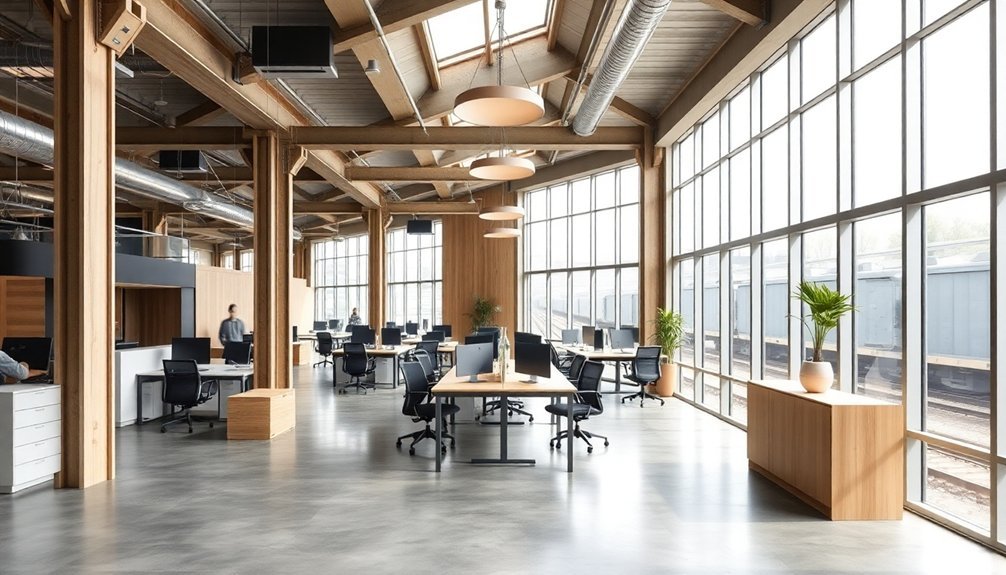
When it comes to altering an office space in Old Oak Common, selecting the right refurbishment company can make the difference between a successful renovation and a costly mistake. Smart company selection starts with examining local proficiency and proven track records in NW10. Business owners should look for firms that showcase innovative design solutions while maintaining practical functionality.
A standout refurbishment company will present a sturdy portfolio of local projects, complete with client testimonials and detailed case studies. They should demonstrate design innovation through their ability to create flexible workspaces that reflect modern needs. Additionally, proper certifications, transparent pricing models, and clear communication strategies are essential markers of reliability. The ideal partner will also understand local building regulations and offer sustainable solutions that benefit both the environment and the bottom line. Ultimately, an effective refurbishment can lead to transformative benefits that enhance employee productivity and overall workplace satisfaction.
Planning Your Office Refurbishment In Old Oak Common
Successfully planning an office refurbishment in Old Oak Common requires careful consideration of multiple elements before any physical work begins. Project leaders must define clear goals, assess current workspace aesthetics, and establish a realistic budget that accounts for all aspects of the alteration.
The planning phase should involve key stakeholders from various departments, including senior management and HR, to guarantee all needs are addressed. Creating a detailed refurbishment timeline helps manage expectations and minimise interference to daily operations. Smart planning includes gathering employee feedback, consulting with design experts, and considering future growth potential. By incorporating sustainable materials and modern technology infrastructure, businesses can create an environment that not only looks impressive but also supports long-term productivity and employee well-being in this developing London district.
Practical Tips For A Successful Office Refurbishment In Old Oak Common
To guarantee a smooth and successful office refurbishment in Old Oak Common, businesses must implement practical strategies that address every aspect of the renovation process. Employee involvement stands at the heart of a successful change, creating a sense of ownership and enthusiasm for the new workspace aesthetics.
Key elements for success include:
- Carrying out regular feedback sessions with staff to understand their needs and preferences
- Creating detailed timelines and contingency plans to minimise operational interruptions
- Implementing sustainable design choices that benefit both the environment and budget
Key Phases Of An Office Refurbishment In Old Oak Common
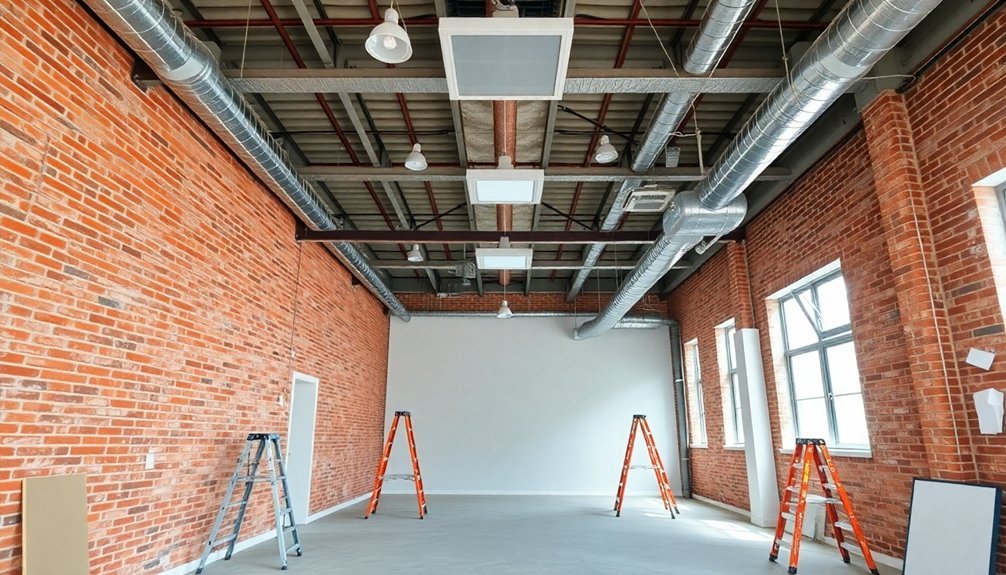
The expedition of office refurbishment in Old Oak Common unfolds through distinct and well-defined phases, each building upon the previous to create a cohesive metamorphosis. Beginning with a thorough space assessment that prioritises employee engagement through surveys and utilisation tracking, the process advances to careful budget planning with built-in contingencies.
The design phase integrates sustainability practices and brand identity, while procurement guarantees the selection of eco-friendly materials. During construction, careful project management minimises interference with daily operations, with work scheduled during off-peak hours. The final shift phase brings everything together, featuring thorough system testing and employee training sessions. Throughout each stage, stakeholder communication remains paramount, confirming that the refurbishment aligns with both organisational goals and workforce needs.
About Old Oak Common
Located in northwest London, Old Oak Common stands as a demonstration of the city's industrial heritage and its ambitious future. The area's Common History traces back to its alteration from rural land to a lively manufacturing hub during the interwar period, with factories producing various industrial and domestic products.
Today, Old Oak Common is at the heart of one of London's largest regeneration projects, spanning 650 hectares. While many original factories have closed, the area's industrial character remains evident in its design and layout. The upcoming HS2 station will connect multiple rail services, including the Elizabeth Line and Heathrow Express, while ambitious development plans promise 9,000 new homes and extensive workplace facilities, marking a new chapter in this historic district's evolution.
Accessibility is a key consideration for any Old Oak Common office, and the area delivers well. stations on the Northern, Jubilee, Metropolitan and Bakerloo lines, plus Overground and Thameslink services ensure your team and clients can reach you easily from across London and beyond.
Commercially, Old Oak Common is known for media production, music industry, creative services and healthcare. Camden’s creative quarter, Kilburn’s growing commercial district and Wembley’s regeneration area offer diverse options for businesses. The proximity to major hospitals also supports a cluster of healthcare-related firms. Investing in a quality office refurbishment here signals credibility and commitment to the local business community.
North West London refurbishments often involve creating workspaces that reflect the area’s creative character while providing the practical infrastructure modern businesses need. Having completed numerous projects in the NW10 area, we bring local knowledge that helps avoid common pitfalls and keeps your refurbishment on time and on budget.
Frequently Asked Questions
What does an office refurbishment in Old Oak Common typically include?
A typical office refurbishment in Old Oak Common, NW10 includes space planning, new flooring, decoration, lighting upgrades, furniture supply, partitioning and electrical work. Many clients also opt for improved ventilation, acoustic treatment and technology upgrades. We tailor every project to your specific requirements and budget.
Is sustainable office refurbishment available in Old Oak Common, NW10?
Absolutely. We offer sustainable refurbishment options for Old Oak Common offices including LED lighting, energy-efficient HVAC systems, recycled and low-VOC materials, and improved insulation. Sustainable refurbishment can reduce your energy costs by up to 30% while creating a healthier workspace for your team.
What is the ROI of office refurbishment in Old Oak Common?
Office refurbishment in Old Oak Common delivers measurable returns through increased employee productivity, improved staff retention and reduced energy costs. Studies show that well-designed workspaces can boost productivity by 15-20%. A modern, well-presented office also strengthens your brand image with clients and helps attract top talent.
How do I choose the right office refurbishment company in Old Oak Common?
When selecting an office refurbishment contractor in Old Oak Common, NW10, look for relevant experience with similar-sized projects, proper insurance and accreditations, transparent pricing with no hidden costs, and strong references from previous clients. A good contractor will also provide a detailed project plan and single point of contact throughout.
Also Serving Nearby Areas
We also provide office refurbishment services in these nearby areas: Office Refurbishment in Stonebridge Park, NW10 | Office Refurbishment in Stonebridge, NW10 | Office Refurbishment in Kensal Rise, NW10 | Office Refurbishment in Cranley Gardens, N10 | Office Refurbishment in Muswell Hill, N10
Taking the Next Step – Partnering With a Local Old Oak Common, NW10 based Office Refurbishment Specialist
When starting on an office refurbishment project in Old Oak Common, partnering with a local specialist can make all the difference between a stressful renovation and a smooth transition. Local knowledge brings essential perspectives into area-specific regulations, market trends, and available resources that can simplify the entire process.
Through project collaboration with Old Oak Common specialists, businesses gain access to customised solutions that reflect their unique brand identity while adhering to local building codes. These partnerships often result in more efficient budget management, sustainable design choices, and minimal interruption to daily operations. Local refurbishment professionals understand the community's needs and can create workspaces that balance modern functionality with employee well-being, incorporating elements like collaborative areas and energy-efficient systems that improve productivity while reducing operational costs.